BTBTGT

For grown-ups

You do not need the perfect words. You just need to start.

Children who can name their body parts, who know the swimsuit rule, and who believe they will be believed are markedly harder to victimize and far more likely to disclose early. This page gives you the scripts, the warning signs, and the response plan.

What to actually say

Word-for-word conversation scripts

Most parents know they should have this talk and freeze on the wording. Borrow these exactly as written, or make them sound like you.

Keep it concrete and physical. At this age you are teaching correct names and the swimsuit rule, not explaining abuse.

  • Naming body parts

    “Every part of your body has a real name, just like your elbow and your knee. Using the real name is never rude, and you can always say it to me.”

  • The swimsuit rule

    “The parts your swimsuit covers are private. Nobody looks at them or touches them except you — unless I am helping you wash, or a doctor is checking you while I am right there.”

  • Refusing affection

    “You do not have to hug or kiss anybody, even family. You can wave, high five, or just say hello. I will always back you up.”

Recognize the signs

What grooming actually looks like

In the overwhelming majority of cases the person is not a stranger in a van. They are known, trusted, and often loved by the whole family. These are the patterns to watch for.

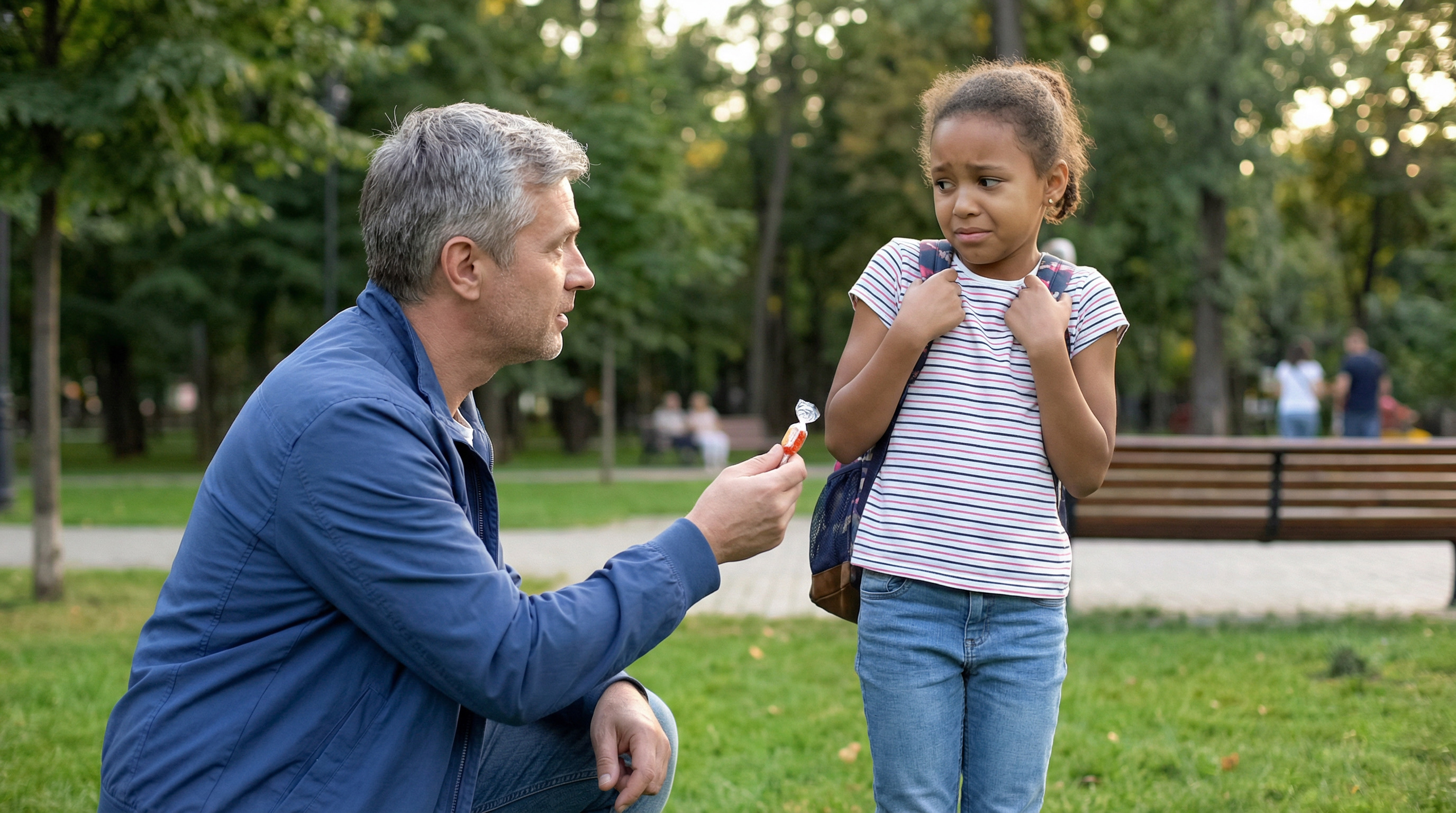
A man crouching in a park offering a wrapped candy to a hesitant young girl with a backpack

Gifts and special treats

The child is being given things you did not approve

Grooming almost always starts with generosity — candy, money, gifts, screen time, or being singled out as the favourite. The gift builds a debt the child feels they have to repay.

Ask: “Has anyone been giving you presents or treats they asked you not to mention?”
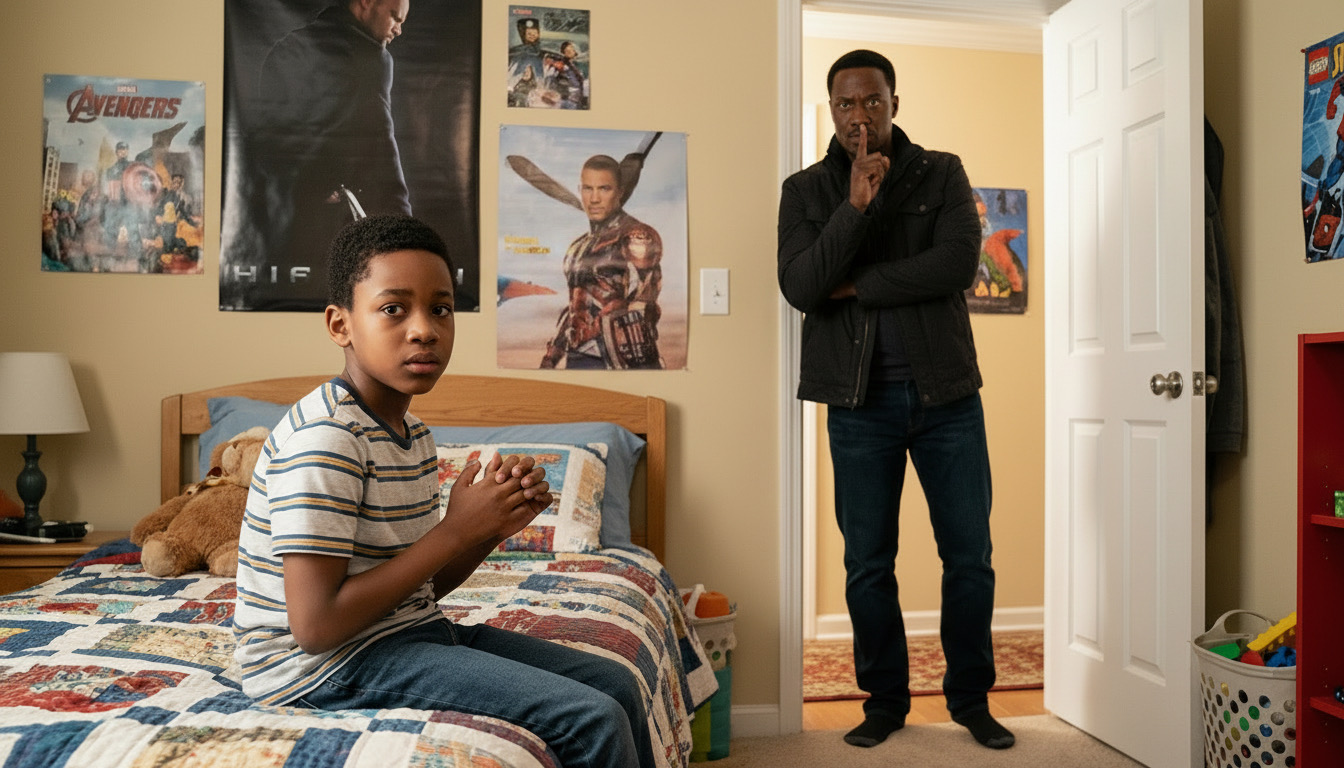
A man standing in a bedroom doorway holding a finger to his lips while a boy sits on the bed looking uneasy

Secrecy

There is a secret between your child and an adult

Safe adults never ask a child to hide something from their parents. Any adult who builds a private world with your child — secret jokes, secret messages, secret rules — has crossed a line, even if nothing physical has happened.

Say: “Grown-ups never need you to keep secrets from me. If someone asks you to, that is the exact moment to tell me.”

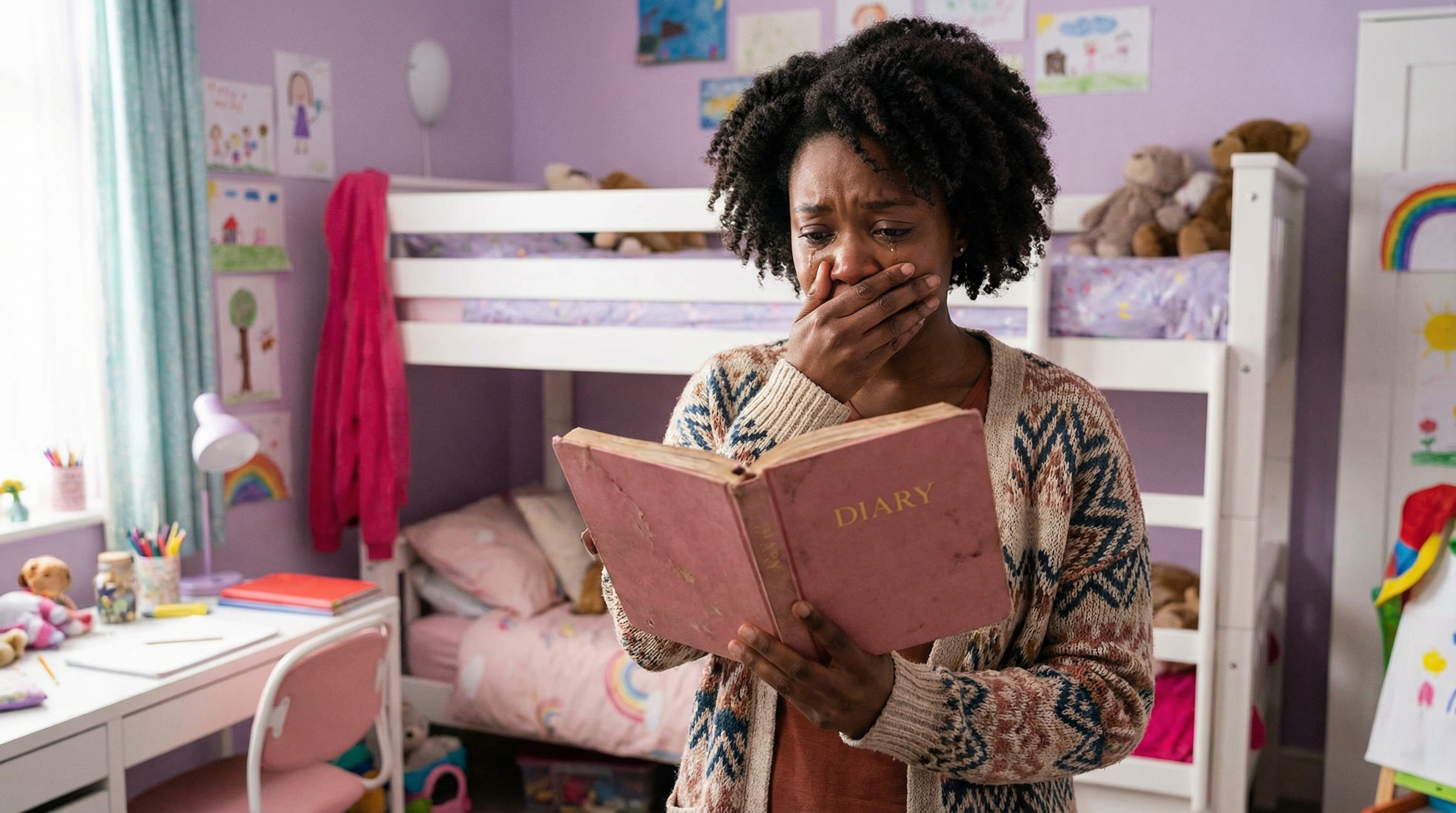
A woman standing in a child's bedroom reading a diary with her hand over her mouth, visibly upset

After a disclosure

You have just found out something happened

Your first reaction is the thing your child will remember for the rest of their life. Stay calm out loud, even while you are falling apart inside. Do not interrogate, do not promise to keep it quiet, and do not confront the person yourself.

Say: “I believe you. I am so glad you told me. This is not your fault, and I am going to keep you safe.”

The first five minutes

If your child tells you something happened

Children often test the water with a small piece of the truth to see how you react. How you respond in the first few minutes determines whether they tell you the rest.

Do this

  • Stay calm out loud, even if you are not calm inside
  • Say “I believe you” before anything else
  • Say “I am glad you told me” and “this is not your fault”
  • Let the child use their own words and their own pace
  • Write down what they said, as close to verbatim as you can
  • Call the hotline or child protective services for next steps

Avoid this

  • Do not gasp, cry loudly, or show panic and rage
  • Do not ask leading questions like “did he touch you there?”
  • Do not interrogate or make them repeat it over and over
  • Do not promise to keep it a secret — you cannot
  • Do not confront the accused person yourself
  • Do not blame yourself out loud in front of the child

You do not have to figure out the next step alone

Trained counselors will walk you through reporting, medical care, and what to expect. Free, 24/7, and you can call anonymously.

1-800-422-4453